
Alien Babies Puzzle
We know that every household will have exactly one girl in the end.
What about boys? Sometimes the first child is already a girl (no boys). Other times a family might have one boy before their girl, or two boys, or three, and so on. The odds of those longer streaks drop by half each time: 1 boy happens 1/4 of the time, 2 boys 1/8 of the time, 3 boys 1/16, and so forth. When you add up all those shrinking chances, the average works out to exactly one boy per family.


More Puzzles
You can buy a printable version of these puzzles.
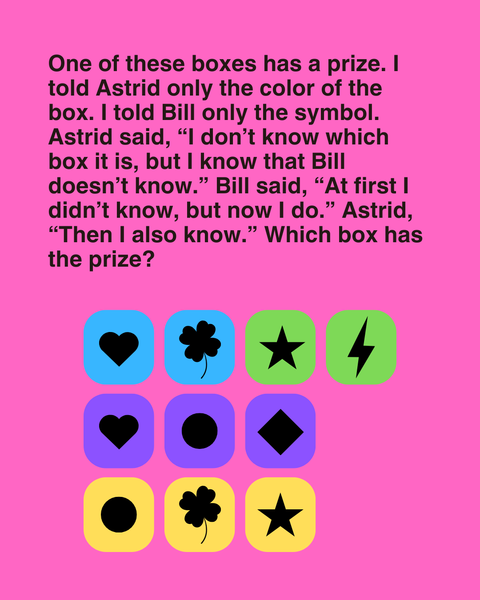
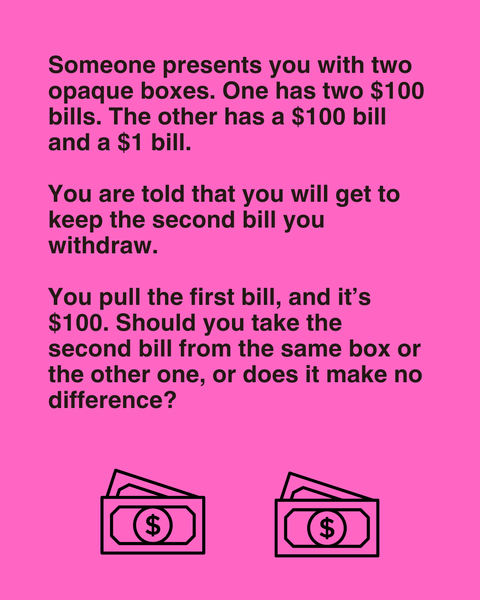
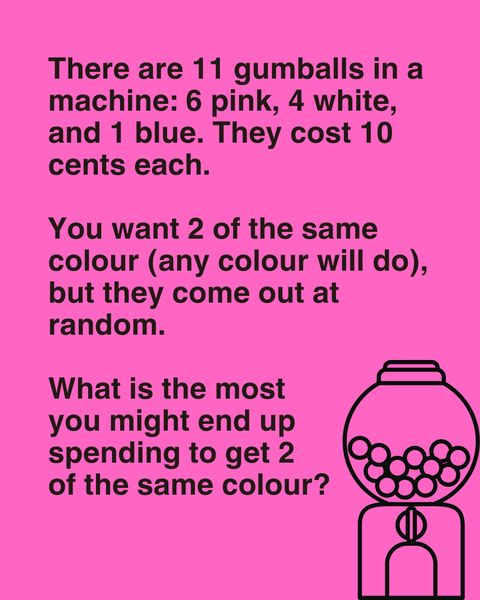
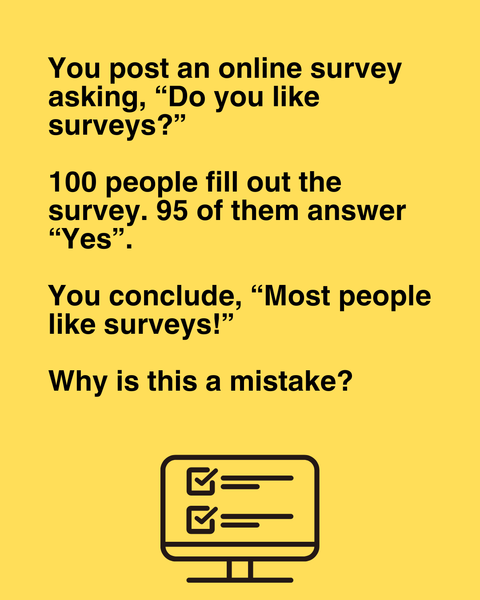
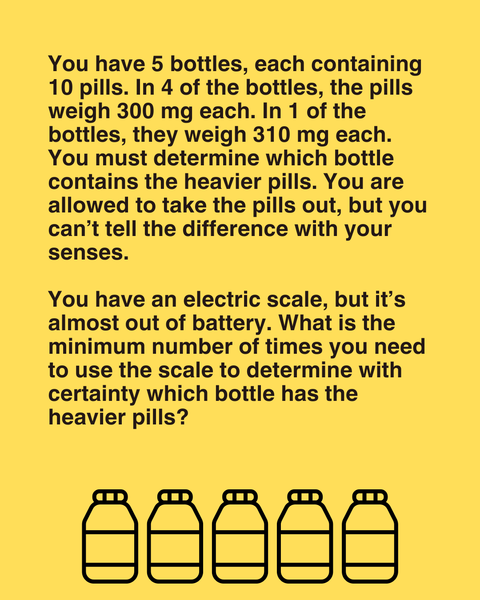
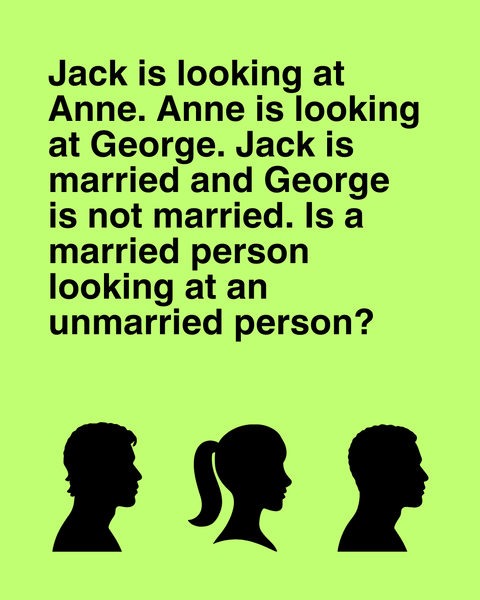
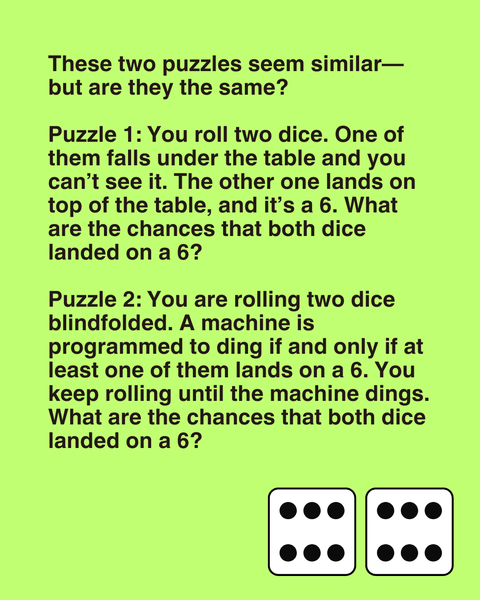
A Statistical Odyssey
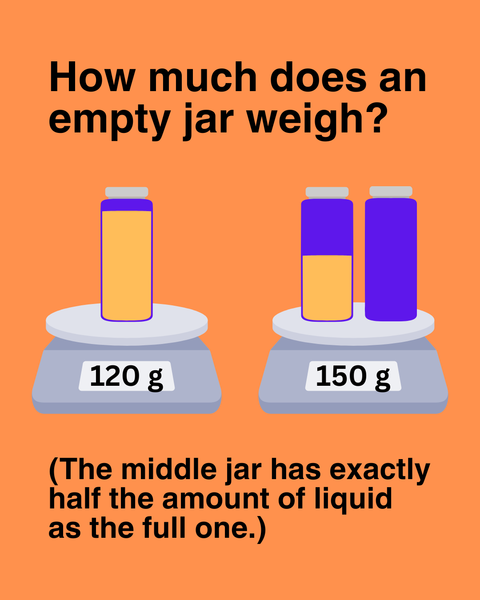
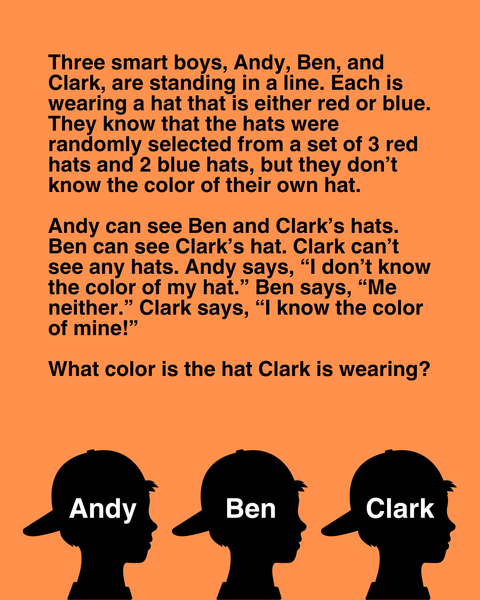
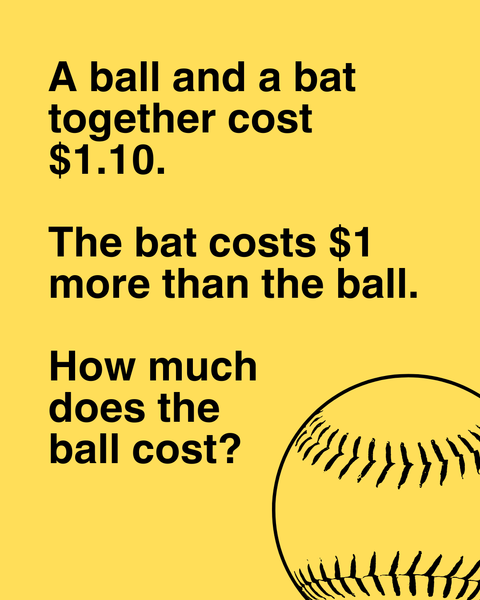
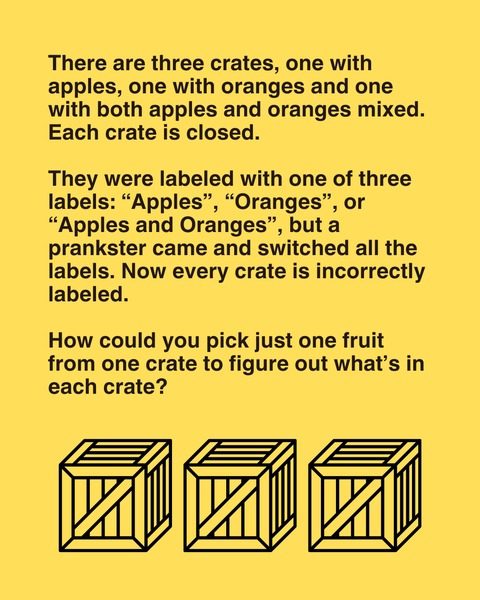
Courses

Fallacy Detectors
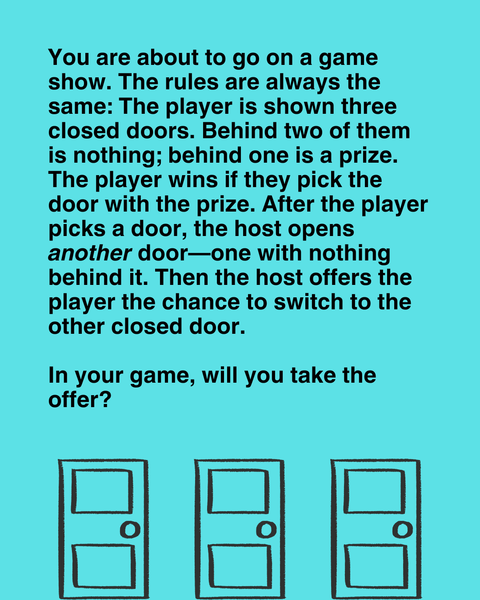
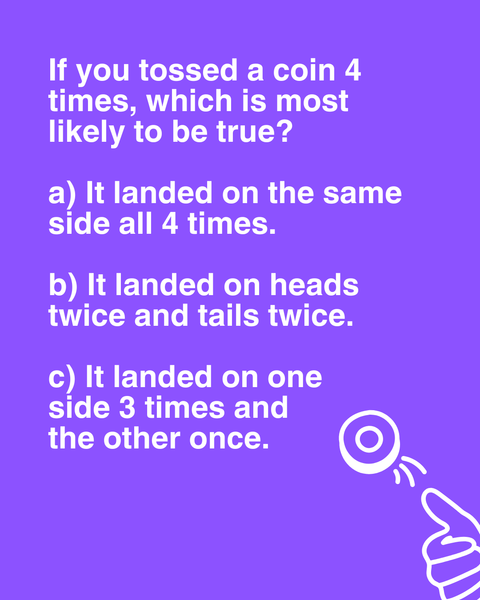
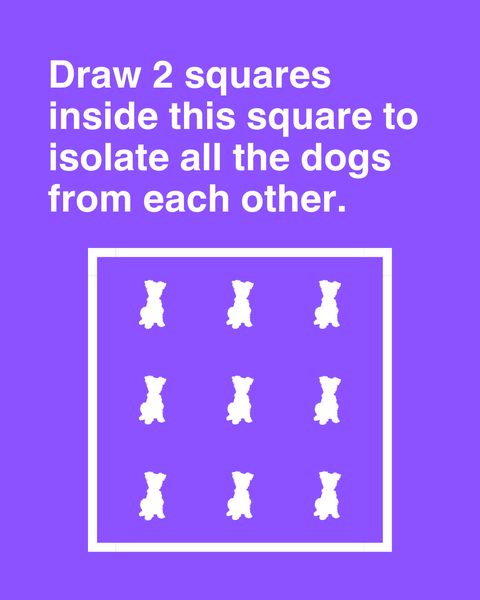
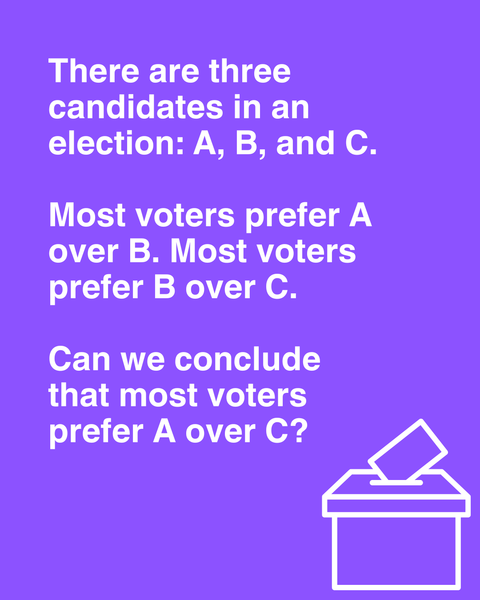
Ages 8–12A story-based course that teaches kids to recognize logical fallacies through sci-fi videos and activities.

Social Media Simulator
Ages 10+A mock social media feed where kids practice spotting misinformation and manipulation in a safe environment.

A Statistical Odyssey
Ages 13+An interactive space adventure that teaches teens to spot common errors in data analysis.


Worksheets

Logical Fallacies Worksheets and Lesson Plans
Ages 8–12Teach your grades 3-7 students about ten common logical fallacies with these engaging and easy-to-use lesson plans, worksheets, and assessment.

Media Literacy Lessons and Worksheets
Ages 10–14Teach students in grades 5-9 how to recognize and respond to common online problems with these ready-to-use presentation slides and worksheets.

A Statistical Odyssey Worksheets and Lesson Plans
Ages 13+Turn “A Statistical Odyssey” into a complete 14-class unit for homeschool or classroom with these lesson plans, printable worksheets, and a cumulative assessment.


Research Detectives Workbook
Ages 7–10A workbook for students in grades 2–5 that introduces the basics of research, including asking good questions, finding and checking information, taking notes, and sharing what they learned.

Elementary School Worksheets and Lesson Plans
Ages 7–10These lesson plans and worksheets teach students in grades 2-5 about superstitions, different perspectives, facts and opinions, the false dilemma fallacy, and probability.

Middle School Worksheets and Lesson Plans
Ages 10–13These lesson plans and worksheets teach students in grades 5-8 about false memories, confirmation bias, Occam’s razor, the strawman fallacy, and pareidolia.

High School Worksheets and Lesson Plans
Ages 13+These lesson plans and worksheets teach students in grades 8-12 about critical thinking, the appeal to nature fallacy, correlation versus causation, the placebo effect, and weasel words.

Statistical Shenanigans Worksheets and Lesson Plans
Ages 13+These lesson plans and worksheets teach students in grades 9 and up the statistical principles they need to analyze data rationally.

Printable Logic Puzzle Cards
Ages 10+Printable logic puzzle cards with answers and explanations. Varied levels mean they will challenge kids, teens, and even adults.

Printable Logical Fallacy Handbook
Ages 13+A printable PDF explaining 20 common logical fallacies with real-world examples. Recommended for teens and adults.

Printable Formal Fallacy Handbook
Ages 13+A printable PDF explaining 6 formal fallacies with examples. Recommended for teens and adults.

The Language of Science: Facts, Laws, and Theories
Ages 11+This free science literacy worksheet teaches the difference between facts, laws, and theories and addresses common misconceptions. Recommended for grade 6 and up.

Printable Data Analysis Handbook
Ages 13+A printable PDF explaining 8 common errors in data analysis with real-world examples. Recommended for teens and adults.

Was It Right to Take the Beagles?
Ages 13+This free critical thinking worksheet for grades 8 and up helps teens examine how the way a story is framed can shape our opinions on it.